

You did what you had to do to get the house. Now that you own it, a post-closing inspection helps you understand exactly what you bought.
Quick Answer
A post closing inspection covers the same systems as a standard home inspection: roof, electrical, plumbing, heating, foundation, and insulation. The difference is the pressure is gone. No conditional period, no seller, no rush. It is about understanding your home and planning maintenance with confidence.
Why This Matters
In over 10 years inspecting homes across Southern New Brunswick, I have completed thousands of inspections in Saint John, Hampton, Rothesay, Quispamsis, Sussex, and Grand Bay-Westfield. A growing number of those are post closing inspections for buyers who waived their inspection condition to win the offer.
Here is what I see consistently: buyers who waived their inspection do not stop wondering about their home. They just delayed getting the answers. A post closing inspection removes the pressure and gives you the information you need.
This guide covers why buyers waive inspections, what changes after closing, what I look for during a post closing inspection, and real examples of what I have found.
You did what you had to do to get the house. Now that you own it, a post closing inspection helps you understand exactly what you bought, plan your maintenance, and avoid the surprises that catch unprepared homeowners off guard.
Why Buyers Waive Inspections
The New Brunswick real estate market has been competitive for years now, and the dynamics have not changed much. When a seller has three or four offers on the table, the offer with the fewest conditions often wins. The inspection condition is usually the first one to go.
It is a strategic decision you and your realtor made to win your offer and get your family into your new home. That decision got you the house. It does not mean you have to live in it without ever understanding what you bought.
The need to understand your home never went away. The roof still ages. The furnace still has a lifespan. The wiring is still whatever it is. None of that changed because the offer was unconditional.
Waiving the inspection to win the offer and getting an inspection after closing are not mutually exclusive. You can do both. Most buyers do not realize this. I see this regularly across Saint John, Rothesay, and the Quispamsis market.
A buyer falls in love with a home, their agent advises them that competing offers are coming in clean, and the inspection condition comes off the table. It is a calculated decision, and in many cases it is the right one to win the home. But it does not mean you should never have the home inspected.
What Changes After Closing
During a standard inspection, everyone is watching the clock. The conditional period is counting down. The seller is in the driveway or hovering in the kitchen. The realtor needs the report by end of day. Rooms are full of furniture. The storage area behind the furnace is packed with boxes. Access is limited and the stakes are high.
After closing, all of that disappears. The home is empty or arranged the way you want it. Every room is accessible. I can take the time to explain what I am seeing as I go, and you can ask every question that comes to mind without feeling like you are holding up a process.
This is the experience all of my pre listing inspection clients have enjoyed for years. No pets to work around, no one else’s belongings limiting access, no clutter in front of the electrical panel. It is your home now. Every door, every closet, every crawlspace is yours to open. And there is no pressure riding on what I find.
The inspection shifts from a high pressure evaluation to a guided walk through of your own property. A post closing home inspection covers everything a standard inspection would. The difference is you get to enjoy it. As a CAHPI certified home inspector, I follow the same professional standards whether the inspection happens before or after closing.
What I Look at During a Post-Closing Inspection
The scope is the same as a standard home inspection. I evaluate the major systems and components so you know their age, condition, and what to plan for.
- Roof covering, flashing, and drainage (including drone imaging on Rising Tide and above)
- Exterior cladding, trim, and grading
- Foundation walls, structure, and moisture indicators
- Electrical panel, wiring type, and distribution
- Plumbing supply lines, drain lines, and water heater
- Heating system, fuel source, and distribution (including wood-burning systems if applicable)
- Insulation levels and ventilation in the attic
- Windows, doors, and weather sealing
- Kitchen and bathroom fixtures and ventilation
- Basement and crawlspace conditions
The report you receive is the same format I deliver to every client: photo rich, plain language, same day delivery. Every finding is documented with photos and clear explanations so you can share it with contractors, insurance, or keep it as your home maintenance baseline.
What Thermal Imaging Catches
Every inspection I perform includes some level of thermal imaging. The scope depends on the package. My Low Tide inspection targets the areas most likely to have issues: exterior walls, windows, rim joists, and the attic hatch. On a Rising Tide or High Tide inspection, the thermal scan covers every room.
A thermal camera reads surface temperatures and displays them as a colour gradient. That lets me see temperature differences across walls, ceilings, and floors. It catches cold spots that indicate missing insulation, heat loss around windows, and moisture accumulation before it becomes visible to you.
In many cases, thermal imaging finds problems before they become expensive. A cold spot in a ceiling might be a $300 fix today. Left unaddressed for another season, it becomes a mould remediation project that costs thousands.
Thermal imaging does not see through walls. It reads surface temperature patterns that tell a story. When I see an unusual pattern, I investigate further and explain what it means for your home.
What I’ve Found During Post-Closing Inspections
Every home is different, but certain patterns show up regularly, especially in Southern New Brunswick where the housing stock includes everything from century old homes in Saint John to 1970s builds in the suburbs. Here are three findings from real post closing inspections.
Water Heater at End of Life in Quispamsis
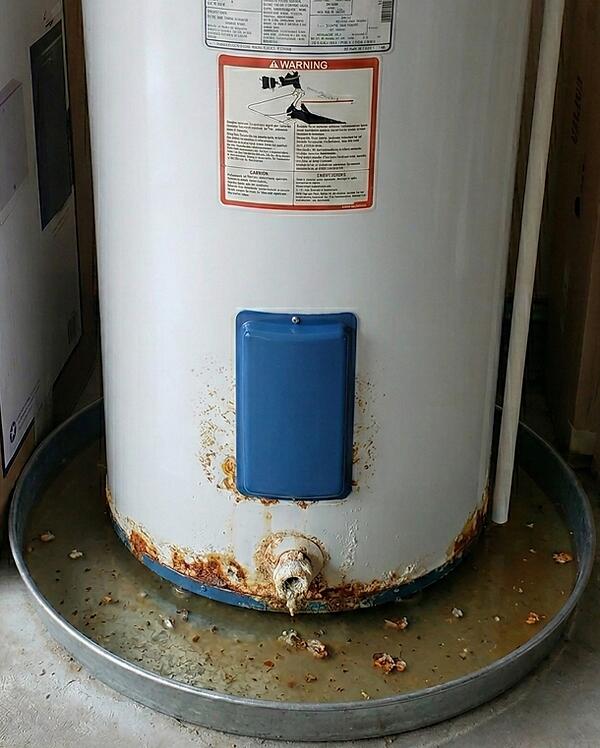
A couple in Quispamsis bought a well maintained split level. Everything looked great on the surface. During the walk through, I checked the water heater. It was 14 years old, had visible corrosion around the base, and was making a noise that told me it was on borrowed time.
The homeowner had no idea the water heater was at end of life. If I had not been there, they would have had a water heater failure in the middle of winter with no warning. Instead, they had three months to budget for a replacement and arrange installation on their own timeline.
In the Maritimes, most water heaters are rented, so the replacement itself is not a major expense. But a failure means water damage, emergency calls, and disruption. Catching it early turns a crisis into a planned maintenance item.
Aluminium Wiring With Improper Connections in Saint John
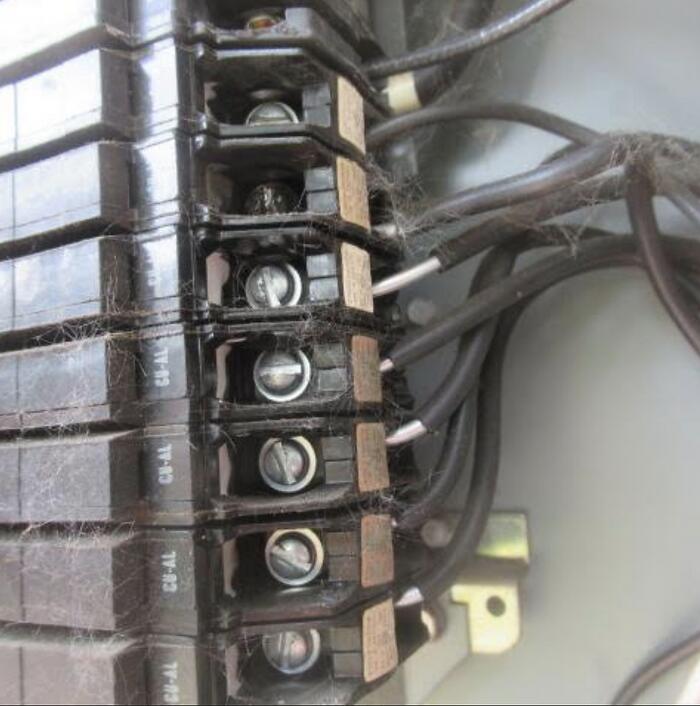
A first time buyer in the Saint John area purchased a 1970s bungalow. The post closing inspection revealed aluminium wiring throughout the home with improper connections at several outlets and switches.
Aluminium wiring was common in homes built in the 1960s and 1970s across Southern New Brunswick. It is not an immediate emergency, but it does require professional remediation. The typical cost for an electrician to install approved connectors (called AlumiConn or COPALUM connectors) at every junction point is $1,500 to $4,000 depending on the size of the home. I cover aluminium wiring and nine other common findings in my guide to the 10 things I find in every older home in Southern New Brunswick.
Attic Ventilation Causing Condensation in Hampton
A home in Hampton had visible frost on the underside of the roof sheathing during a winter inspection. The roof had been replaced five years earlier, but the new roof was installed without proper soffit and ridge ventilation. The attic had zero air flow.
Insulation was degrading and moisture was building up on the roof decking. The thermal camera confirmed temperature variations across the entire attic space. Left alone, this combination leads to mould growth and premature roof failure. Caught early, the fix involved redirecting the exhaust duct and installing soffit vents to restore proper ventilation.
Attic ventilation problems are one of the most common conditions I document across Southern New Brunswick. I wrote a full guide on the 10 attic checks that predict condensation and mould. The typical cost to restore proper attic ventilation ranges from $500 to $2,000 depending on what is needed.
Post Closing Inspection Costs in Southern New Brunswick
I offer three inspection packages. Each includes progressively more comprehensive thermal imaging, drone coverage, and reporting detail. Here is what to expect for a typical home in Southern New Brunswick.
- Low Tide: $350 to $450: Full systems inspection, targeted thermal imaging, same day report.
- Rising Tide: $450 to $600: Full systems inspection, expanded thermal imaging, drone roof imaging, same day report.
- High Tide: $600 to $800: Comprehensive inspection, full room by room thermal imaging, drone, detailed same day report.
Pricing varies based on the size, age, and location of the home.
When to Book
There is no wrong time. Some buyers call me days after closing when the home is empty before moving in. That is ideal because every room and closet is accessible. Others wait weeks or months after settling in. Both work.
If you moved in during the summer, a fall or winter inspection can reveal heating performance, insulation gaps, and moisture patterns that warm weather hides. Seasonal timing can actually work in your favour.
I inspect homes across Hampton, Sussex, Grand Bay-Westfield, and all of Southern New Brunswick. Same day reporting is standard on every inspection, and follow up questions are always welcome at no extra charge.
Frequently Asked Questions
Can I get a home inspection after closing?
Yes. A post closing inspection covers all the same systems as a standard inspection: roof, electrical, plumbing, heating, foundation, insulation, and more. The difference is the pressure is gone. There is no conditional period, no seller, and no rush. It is entirely about helping you understand your home and plan maintenance.
Is a post closing inspection worth the cost?
In most cases, yes. Identifying a failing water heater, active moisture intrusion, or an electrical issue early almost always costs less to address than waiting for a failure. A post closing inspection also gives you a prioritised maintenance plan so you know what to address first and what can wait.
How soon after closing should I book?
Anytime works. Booking soon after closing gives you baseline information before you start renovations or modifications. Some buyers book while the home is still empty for maximum access. That said, an inspection months or even years after closing is still better than no inspection at all.
Will the inspection report help with insurance?
It can. Some insurers ask about the age and condition of major systems like the electrical panel, heating system, and roof. Having a current inspection report with documented system ages and conditions gives you accurate information to provide to your insurance company.
What is the difference between your inspection packages?
I offer three packages: Low Tide, Rising Tide, and High Tide. Each includes progressively more comprehensive thermal imaging, drone coverage, and reporting detail.
Do I need a home inspection on a newer home?
Yes. New construction can still have defects in electrical, plumbing, HVAC, and finishing. I regularly find issues in homes that are less than five years old, from improper attic ventilation to missing insulation. A newer home does not mean a perfect home.
What does a home inspector check?
A home inspection covers the roof, exterior cladding and grading, foundation and structure, electrical panel and wiring, plumbing supply and drain lines, heating and cooling systems, insulation and ventilation, windows and doors, and interior finishes. Every inspection also includes thermal imaging to identify conditions not visible to the naked eye.
You Own It. Now Understand It.
A post-closing inspection gives you the information you need to maintain, budget for, and take care of your home with confidence.